
Tiny Details Matter - Field Level Focus
It all starts at the smallest atomic level, which is your database fields. In order to build great software, you need to know the smallest details to include architecture, fields types, and field restrictions on a single data point.

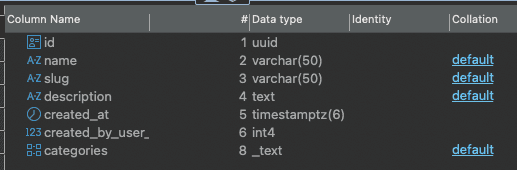
Investigating and carefully thinking about each variable in your table - what its name is, what the description is, and what type of field it is - is super important for you.
In the world of LLMs, things get glossed over typically. What happens is AI models are generated and stored in the database based on millions of other software projects. The problem is it's not your software project.
If you weren't aware, this software runs in our architecture. There are lots of different architectures out there that most users are probably unaware of. There's x86, which is the most common, followed closely by ARM, which is mobile processing. It's also used by lots of different things. Finally, there's a new one called RISC-V that's coming out. It's open-sourced.
The issue with all of these is that data has to be compiled, and data could potentially behave differently on each one of these.
Now compound that with you then have a database application which has multiple versions of a database. They're implementing SQL specs. Not everyone implements the SQL spec exactly the right way. And then ultimately you have data fields and the fields look something like this.
PostgreSQL supports common data types including INTEGER, BIGINT, SERIAL, VARCHAR, TEXT, BOOLEAN, DATE, TIMESTAMP, NUMERIC, JSON, JSONB, UUID, and ARRAY. Here's the official documentation: PostgreSQL Data Types. [https://www.postgresql.org/docs/current/datatype.html].
As a developer, you have to understand the difference between these different data fields and understand how they are used.
Enjoyed this? Explore more on architecturedatabase or get in touch.